
"low bitterness"
10000 article(s) found

Sweet and slippery fragrance slightly bitter Brazilian coffee varieties taste manor characteristics introduction to the flavor of fine coffee beans
Brazilian coffee generally refers to coffee produced in Brazil. There is a wide variety of Brazilian coffee, the vast majority of which are unwashed and sun-dried, classified according to the name of the state of origin and the port of transport. Brazil has 21 states and 17 states produce coffee, but four of them produce the largest, accounting for 98% of the country's total output. Brazilian coffee has a low sour taste, which goes well with coffee.
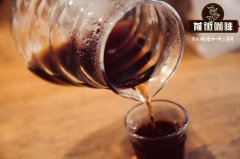
Roasting degree and characteristics of Coffee beans Blue Mountain Coffee is suitable for roasting degree is not bitter or sour
Professional coffee knowledge exchange more coffee bean information please follow the coffee workshop (Wechat official account cafe_style) front street-coffee bean roasting degree introduction light roasting LightRoast: coffee beans roasted to close to the first burst period, taste and flavor are insufficient, generally used for experiments, rarely used

How to distinguish the old street white coffee the latest information and introduction of old street white coffee
The old street white coffee tastes smooth, pure and fragrant, not greasy, without a trace of bitterness, refreshing and comfortable. After drinking, the teeth and cheeks leave fragrance and make people have endless aftertaste. Ultra-low bitterness and acidity: White coffee is baked at low temperature without caramel, removing the bitter and sour taste produced by high-temperature carbon roasting, minimizing the bitterness and acidity of coffee, and retaining the natural flavor and rich flavor of the original coffee.

Sweet and smooth taste with slightly bitter Brazilian coffee flavor, characteristics, taste and manor
Brazilian coffee generally refers to coffee produced in Brazil. There is a wide variety of Brazilian coffee, the vast majority of which are unwashed and sun-dried, classified according to the name of the state of origin and the port of transport. Brazil has 21 states and 17 states produce coffee, but four of them produce the largest, accounting for 98% of the country's total output. Brazilian coffee has a low sour taste, which goes well with coffee.

The relationship between coffee taste and extraction conditions
Coffee is the art of pursuing balance, the extraction law of coffee taste from sour to bitter: 1, shallow roasting (acid) to deep roasting (bitter) 2, rough grinding (sour) to fine grinding (bitter) 3, coffee powder less (acid) to more (bitter) 4, water temperature low (acid) to high water temperature (bitter) 5, extraction speed fast (acid) to slow (bitter) 6, more extraction (acid) to less extraction (bitter).
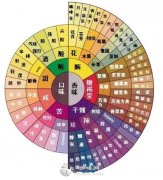
Relationship between Coffee Taste and extraction conditions in Coffee Encyclopedia
Coffee is the art of pursuing balance, the extraction law of coffee taste from sour to bitter: 1, shallow roasting (acid) to deep roasting (bitter) 2, rough grinding (sour) to fine grinding (bitter) 3, coffee powder less (acid) to more (bitter) 4, water temperature low (acid) to high water temperature (bitter) 5, extraction speed fast (acid) to slow (bitter) 6, more extraction (acid) to less extraction (bitter).

Relationship between Fine Coffee Taste and extraction conditions
Coffee is the art of pursuing balance, the extraction law of coffee taste from sour to bitter: 1, shallow roasting (acid) to deep roasting (bitter) 2, rough grinding (sour) to fine grinding (bitter) 3, coffee powder less (acid) to more (bitter) 4, water temperature low (acid) to high water temperature (bitter) 5, extraction speed fast (acid) to slow (bitter) 6, more extraction (acid) to less extraction (bitter).

The baking method of white coffee how to bake white coffee? The method of making White Coffee
Malaysian specialty, unique roasting technology, much lighter color than black coffee, so named after "white coffee", coffee beans do not add caramel, a large amount of caffeine is removed after low-temperature roasting, and the bitter and sour taste is less than that produced by high-temperature carbon roasting. Caffeine content is also lower, do not add any additives to enhance the flavor, retain the original coffee flavor, irritation to the gastrointestinal tract
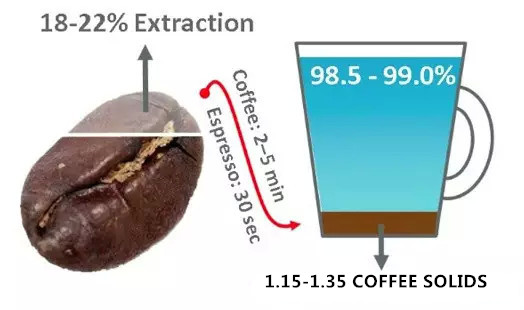
Analyzing the Best extraction method of Coffee and talking about the problems often misunderstood
What is the law of gold cup extraction; how to adjust the extraction rate and coffee concentration; questions often misunderstood by baristas. In order to understand gold cup extraction, we must first understand the concept of extraction rate and concentration. Extraction rate: the weight of dissolved coffee ingredients as a percentage of the total weight of coffee powder used. For example, when we use 18 grams of coffee powder to brew coffee, there are actually only 2.7-4.3 grams of coffee.
The Best extraction method of Coffee to analyze what is the Law of Gold Cup extraction
What is the law of gold cup extraction; how to adjust the extraction rate and coffee concentration; questions often misunderstood by baristas. In order to understand gold cup extraction, we must first understand the concept of extraction rate and concentration. Extraction rate: the weight of dissolved coffee ingredients as a percentage of the total weight of coffee powder used. For example, when we use 18 grams of coffee powder to brew coffee, there are actually only 2.7-4.3 grams of coffee.
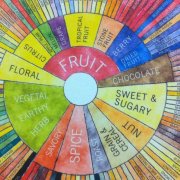
Learning essentials of SCAA Coffee Flavor Wheel the origin of coffee flavor wheel
Coffee has only four kinds of water-soluble tastes: sour, sweet, bitter and salty, some sour and sweet, only volatile, which need to be identified by smell; some are non-volatile, only water-soluble, and need to be identified by taste buds; and some sweet and sour ingredients are both volatile and water-soluble, so sour and sweet often show the dual senses of smell and taste. As for bitterness and saltiness, there is no volatility.
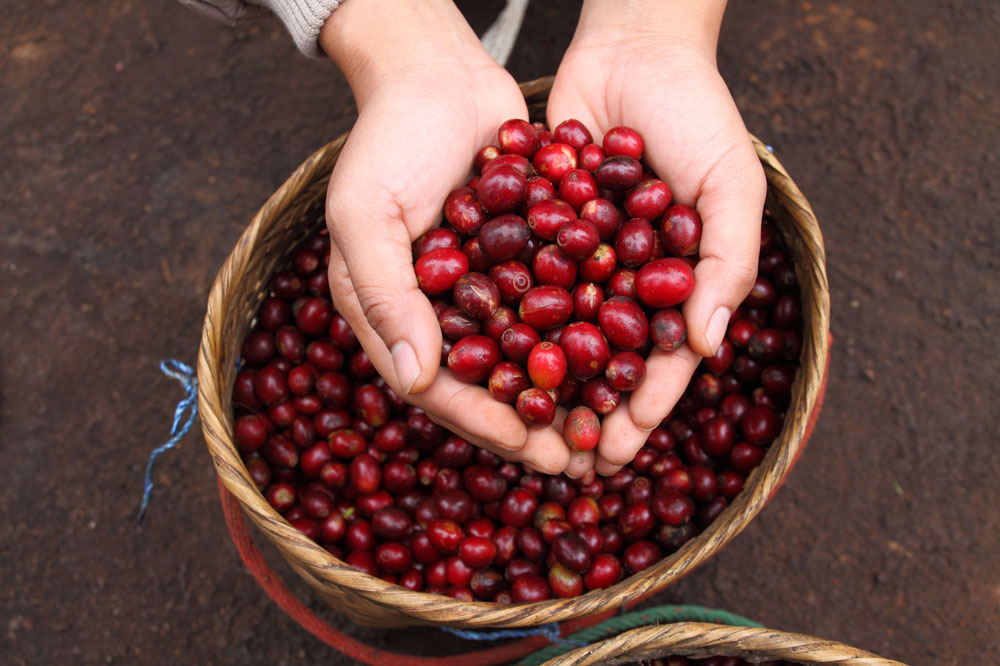
Sweet, smooth, fragrant and slightly bitter western coffee varieties, taste, manor boutique coffee bean flavor introduction
Brazilian coffee generally refers to coffee produced in Brazil. There is a wide variety of Brazilian coffee, the vast majority of which are unwashed and sun-dried, classified according to the name of the state of origin and the port of transport. Brazil has 21 states and 17 states produce coffee, but four of them produce the largest, accounting for 98% of the country's total output. Brazilian coffee has a low sour taste, which goes well with coffee.
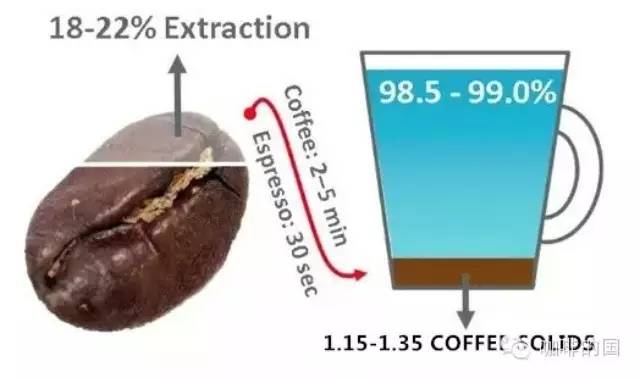
Analysis of the Best extraction method of Coffee and the problems often misunderstood and their Solutions
What is the law of gold cup extraction; how to adjust the extraction rate and coffee concentration; questions often misunderstood by baristas. In order to understand gold cup extraction, we must first understand the concept of extraction rate and concentration. Extraction rate: the weight of dissolved coffee ingredients as a percentage of the total weight of coffee powder used. For example, when we use 18 grams of coffee powder to brew coffee, there are actually only 2.7-4.3 grams of coffee.

Taste characteristics of Brazilian coffee varieties with sweet and smooth fragrance and bitter taste introduction to the flavor of fine coffee beans in the manor
Brazilian coffee generally refers to coffee produced in Brazil. There is a wide variety of Brazilian coffee, the vast majority of which are unwashed and sun-dried, classified according to the name of the state of origin and the port of transport. Brazil has 21 states and 17 states produce coffee, but four of them produce the largest, accounting for 98% of the country's total output. Brazilian coffee has a low sour taste, which goes well with coffee.

Sweet and smooth fragrance slightly bitter Brazilian coffee variety characteristics taste manor boutique coffee bean flavor introduction
Brazilian coffee generally refers to coffee produced in Brazil. There is a wide variety of Brazilian coffee, the vast majority of which are unwashed and sun-dried, classified according to the name of the state of origin and the port of transport. Brazil has 21 states and 17 states produce coffee, but four of them produce the largest, accounting for 98% of the country's total output. Brazilian coffee has a low sour taste, which goes well with coffee.

Coffee extraction guidelines what is the coffee extraction rate? First understand the concept of extraction rate and concentration
Professional barista communication please pay attention to the coffee workshop (Wechat official account cafe_style) what is the law of gold cup extraction? How to adjust the extraction rate and coffee concentration? A question that baristas often misunderstand. In order to understand gold cup extraction, we must first understand the concept of extraction rate and concentration. Extraction rate: the weight of dissolved coffee ingredients as a percentage of the total weight of coffee powder used. Lift

White coffee is a Malaysian specialty with unique roasting technology, and its color is much lighter than black coffee.
Malaysian specialty, unique roasting technology, much lighter color than black coffee, so named after "white coffee", coffee beans do not add caramel, a large amount of caffeine is removed after low-temperature roasting, and the bitter and sour taste is less than that produced by high-temperature carbon roasting. Caffeine content is also lower, do not add any additives to enhance the flavor, retain the original coffee flavor, irritation to the gastrointestinal tract

Introduction of Ethiopian Yega Xuefei Coffee beans can unopened coffee powder be put in the refrigerator
Mantenin Coffee Bean Origin: Sumatra, Indonesia, Mantenin (unique flavor): Mantenin from Sumatra is one of the few Arakabi species with large particles, but poor production management and roasting will reflect the beans. It was regarded as the best before the Blue Mountains appeared. Characteristics: fragrant-strong, sweet-medium, acid-weak, alcohol-medium, bitter-strong mocha coffee beans

Taste characteristics of Brazilian coffee varieties with sweet and smooth fragrance and slightly bitter taste introduction to the flavor of fine coffee beans in the manor
Brazilian coffee generally refers to coffee produced in Brazil. There is a wide variety of Brazilian coffee, the vast majority of which are unwashed and sun-dried, classified according to the name of the state of origin and the port of transport. Brazil has 21 states and 17 states produce coffee, but four of them produce the largest, accounting for 98% of the country's total output. Brazilian coffee has a low sour taste, which goes well with coffee.
How to drink Robusta coffee? introduction to the origin of Robusta coffee beans.
Follow Cafe (Wechat official account vdailycom) found that Robusta, which opened a small shop of its own, was once rated as worse than the lowest Brazilian Santos coffee, although it can't be drunk directly, but if mixed with Arabica, it will have the corresponding effect. Although sour taste and sweet taste are inferior